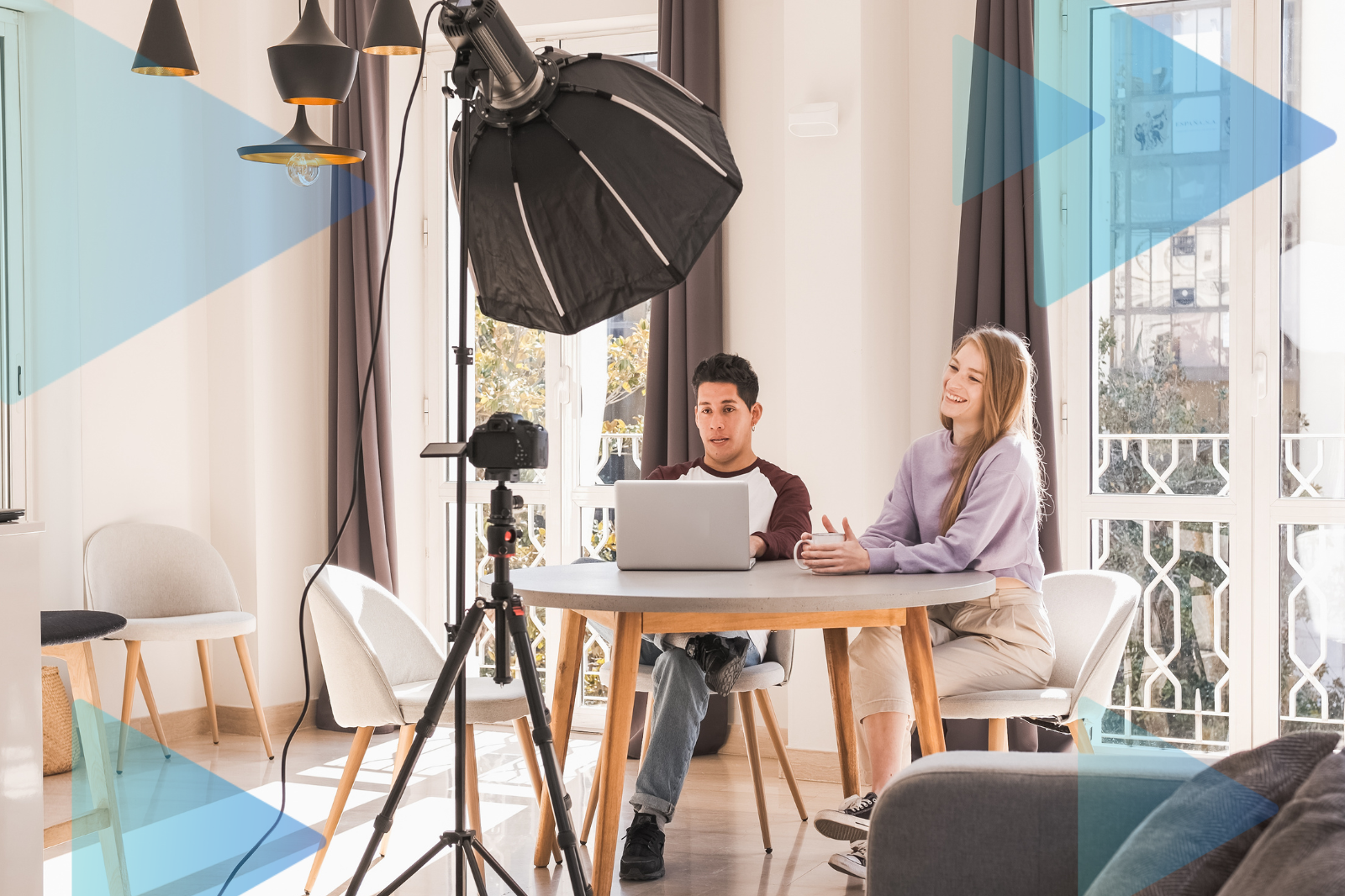
If you're filming out of a corner of your apartment or dragging gear to a rented space every week, you already know the drill: it's slow, it's inconsistent, and it caps how much you can produce. At some point, building a real studio stops being a "someday" idea and starts being the obvious next move.
This isn't a beginner's guide. You're already posting consistently, you know your gear, and you've probably outgrown your current setup more than once. So let's skip the basics and get into what actually matters when you build a space that's built to last: the room itself, sound, lighting, layout, and gear that can keep up with you.
Start With the Space, Not the Gear
Most creators buy gear first and figure out the room later. Flip that. A great camera in a bad room still looks and sounds like a bad room.
Ceiling height matters more than people expect, especially if you're doing any kind of standing setup or wide shots. Look for a room with at least 9 feet of ceiling if you can get it. You'll also want enough square footage to keep your background a few feet away from you, so lighting doesn't flatten everything into one plane.
And don't ignore what's next door. A studio above a garage, next to a laundry room, or under a bedroom sounds fine until you're mid-take and someone starts the dishwasher.
Sound Is the Thing People Actually Notice
Viewers forgive average video quality more than they forgive bad audio. Untreated rooms with hard walls and flat ceilings create echo that no amount of post-production EQ fully fixes.
You don't need a professional sound booth. Acoustic panels on the wall behind you, a rug or rug pad on hard flooring, and some soft furniture or curtains go a long way. If you're building from scratch, adding sound-dampening insulation in the walls during construction is far cheaper than retrofitting it later.
Lighting You Can Actually Repeat
The biggest lighting upgrade most creators need isn't better lights. It's consistency. A studio should let you recreate the same look every time you film, without rebuilding your setup from scratch.
That means mounting lights instead of using stands you have to reposition, and using a mix of key, fill, and background lighting that you can leave in place between shoots. If you're filming multiple formats (talking head, product shots, interviews), build in a couple of preset configurations rather than one setup that has to do everything.
Layout: Design for How You Actually Film
Think through your real workflow, not an idealized one. Where's your gear stored between shoots? Where does an editor or second camera operator stand if you bring one in? Is there a wall you can swap backgrounds against without reshooting your whole lighting setup?
Creators who scale past solo filming almost always wish they'd planned for a second person in the room from day one, whether that's a videographer, an editor sitting in, or a guest.
The Gear Worth Prioritizing
Once the room and sound are handled, here's where gear spend actually pays off:
- A camera with interchangeable lenses, so you're not stuck with one look
- A shotgun or lavalier mic matched to your format, not just whatever came bundled with your camera
- Mountable, repeatable lighting, as covered above
- Reliable editing software that can handle your actual footage volume without crashing every session
Gear isn't a one-time purchase either. Trends shift, equipment ages, and what looked "premium" two years ago is baseline today. Building in a refresh cycle, even a small one, keeps your production quality from quietly falling behind.
So, When Are You Actually Ready?
Building a studio is a real investment, not just in money but in the time it takes to plan and set up right. It tends to make sense once you're filming multiple times a week, tired of the setup-and-teardown cycle, and confident enough in your content to invest in the infrastructure behind it.
This isn't just a small-channel problem, either. When Smosh's Ian Hecox and Anthony Padilla bought back their channel, part of that next chapter meant building out real studio space to match the scale of what they wanted to make. Full details are in our Smosh case study.
If cost is the thing holding you back rather than readiness, that's a solvable problem. We've broken down real numbers on what studio builds and production hires cost, and how creators are funding them without giving up equity or creative control, in our guide to funding YouTube content production.
Frequently Asked Questions
Do I need a professional sound booth to get good audio?
No. Acoustic panels, soft furniture, and rugs handle most echo issues without needing a fully treated booth.
What ceiling height is ideal for a home studio?
Around 9 feet or more gives you room for standing shots and overhead lighting without feeling cramped.
Should I buy gear or build the room first?
Build the room first. A well-treated, well-lit space improves footage more than a gear upgrade will in a bad room.
How often should I upgrade my equipment?
There's no fixed timeline, but building in a periodic refresh keeps your production quality from falling behind as trends and standards shift.
What's the biggest mistake creators make when building a studio?
Not planning for a second person in the room, whether that's an editor, videographer, or guest, which limits the space as the channel scales. Don't plan for where you are right now, plan for where you want to be as you grow.