Waiting to invest in your channel until you feel financially ready has a cost, even though it never shows up as a number on a spreadsheet. That cost is the growth you didn't get while you were waiting.
That's the tricky part. Nobody sends you a bill for hesitation. It just quietly shows up later as views you didn't get, a series a competitor launched first, or momentum that faded before you finally pulled the trigger.
Why waiting feels like the safe move
A lot of creators built their channel from nothing, bootstrapping every purchase, every upgrade, every hire out of pocket. That instinct to build a cushion before spending on anything big isn't wrong. It's just not free. Caution has a cost too, it's just a lot harder to see than the cost of spending money you don't have.
The problem with "I'll invest once I have more saved up"
Momentum on YouTube doesn't wait around. Algorithm favor, a trending format, a competitive gap in your niche, none of that sits still while you build up a cash cushion. By the time you feel comfortable enough to spend, the window that made the investment worth it may already be closing.
This shows up constantly in creator communities. Plenty of established creators already sense that reinvesting into the channel is the smart move, whether it's for growth or even for tax reasons. The hesitation usually isn't about whether to reinvest. It's about when, and "when I have more saved up" is rarely the right answer.
What the cost of waiting actually looks like
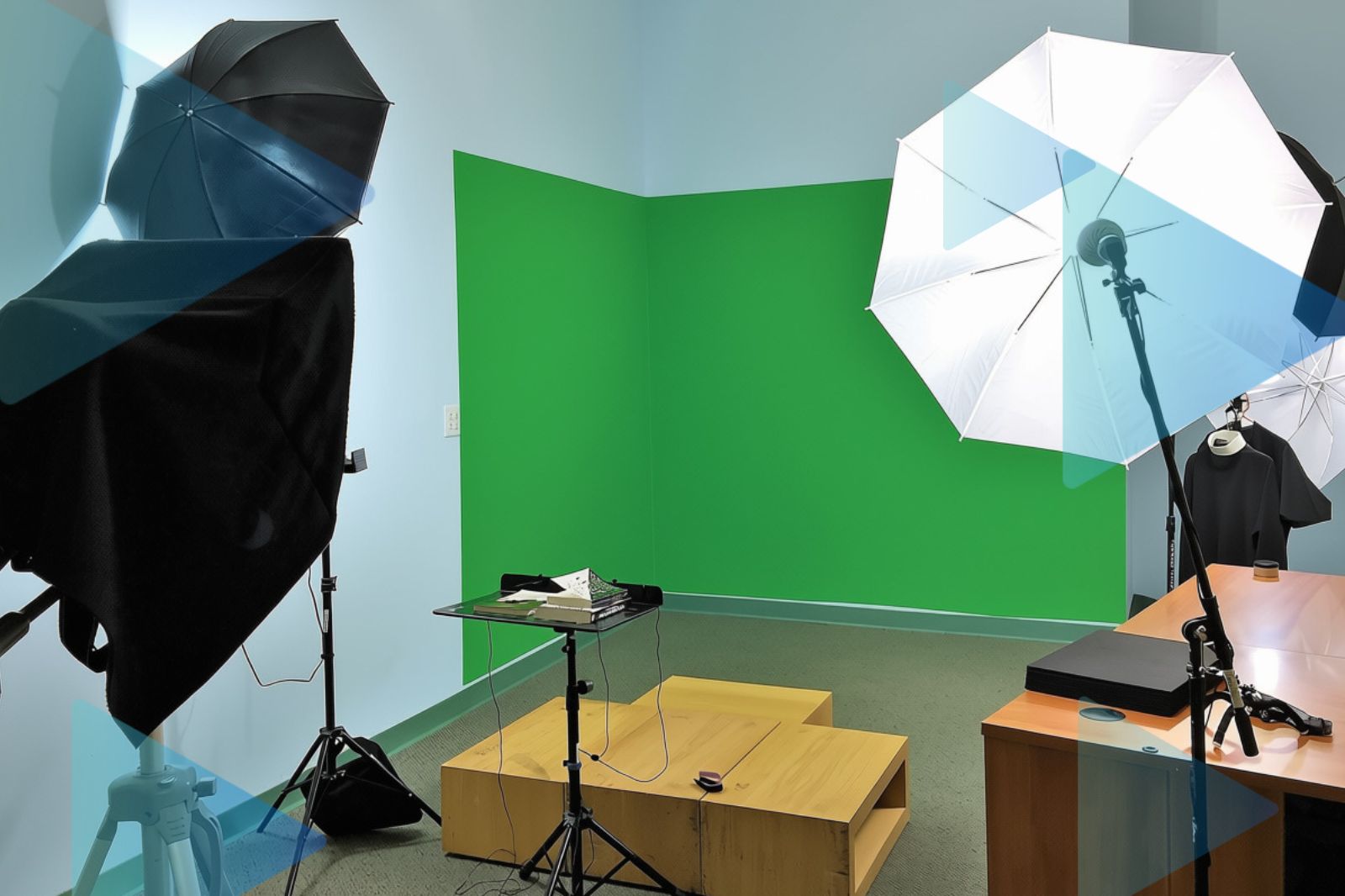
It's not a bill. It's an absence. The series you didn't launch while someone else did. The editor you didn't hire, so you kept posting less often than the algorithm rewards. The studio upgrade that would've compounded your production value for a year instead of six months. None of that appears anywhere on a financial statement, but all of it is real money left on the table.
How to think about timing differently
Instead of asking "can I comfortably afford this right now," try asking "if this pays off, what does waiting three more months actually cost me in lost growth." That's a different question, and it usually leads to a different answer.
Part of the problem is timing itself. YouTube typically pays out 45 to 60 days after content goes live, and brand deals often run even slower, on net 30 or net 60 terms. Your best opportunities rarely line up with when your own revenue actually lands in your account.
This is the exact gap Breeze exists to close. Your revenue is coming, it's just arriving later than your next opportunity requires. Bridging that gap means you get to invest at the moment your channel has the most momentum, not months later once the cash finally shows up.
FAQ
Is it better to save up cash before investing in my channel, or invest as opportunities come up?
For most established creators with steady revenue, investing while momentum is high tends to outperform waiting to build a cash cushion first, since growth opportunities like trending formats or audience attention don't wait for your bank balance to catch up.
How long does it usually take for YouTube ad revenue to actually hit my account?
YouTube typically pays out 45 to 60 days after content goes live, and brand deals often run on net 30 or net 60 terms. That delay is exactly why revenue and opportunity rarely land on the same calendar.
What's a practical way to know if an investment is worth making now versus later?
Ask what the investment could realistically return if made now, and compare that to what you'd give up by waiting a few months in views, subscriber growth, or competitive positioning. If the answer is "a lot," that's a sign timing matters more than the comfort of waiting.
Does this apply to every kind of investment, or just big ones like hiring or studio builds?
It applies most clearly to timing-sensitive investments, like launching a series while a format is trending or scaling production before a competitor claims the same audience. Smaller purchases that aren't time sensitive matter less here.
How do creators actually bridge the gap between an opportunity and when their revenue arrives?
Some self-fund from savings, some wait it out, and some use funding built specifically around how creator revenue works, like an advance against future earnings, to move on the opportunity without giving up ownership or waiting out the payment delay.